Written by both of us
38 Days riding, 1,449 miles (2,332 k), 79,850 feet of climbing (24,217m)
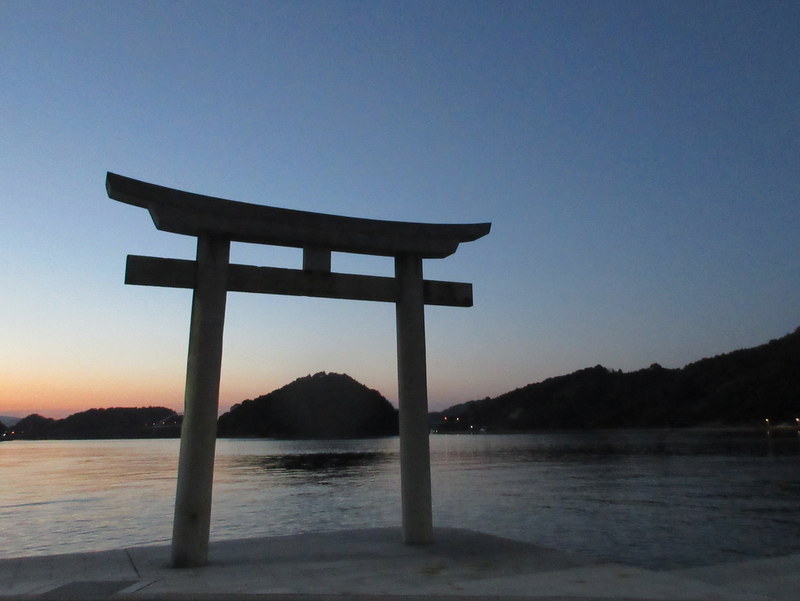
We would absolutely put our bike tour in Japan down as a successful tour. The basic outline of our ride was a loop from Osaka down across Shikoku Island, around the southern main island of Kyushu, and then making our way back to Osaka. It was a great trip, not too rushed so we felt like we had time to really experience the country and its people. Of course, we only saw a fraction of the country – there is still the middle and whole northern end yet to be explored.
We only had good experiences with the Japanese folks – those that were brave enough to approach us to talk or respond to us when we asked questions were extremely friendly and helpful, willing to work with us as we muddled through in Japanese and English. I would even include in that the fun conversation with an older woman in a park who told me I had a big nose (Dave)! It would have been nice to have a bit more interaction with the Japanese folks but I get it, they are generally very polite and reserved so we felt lucky that we got as much as we did.

We were generally lucky with the weather, which always helps on a bike tour. We only had a couple of rainy days, with only one bad enough to make us alter our route. If anything, it was much warmer than we had expected, especially starting out. Southern Japan gets snow in winter but is also full of palm trees, so you know it will be warmer.
Some thoughts and statistics about our trip…
ACCOMMODATION
Sleeping in Japan was hard. Not that we had trouble sleeping, but getting a place to sleep was harder than we expected. Most of our difficulty came from the (perceived?) need to make bookings in advance where we stayed. Some of this is down to Japanese hosts, particularly in the smaller guesthouses, preferring 3 or more days advance booking. Even in the empty campgrounds, they often indicate that they want at least a few days advance notice. It’s just how they like things in Japan.
We prefer not booking lodging on a bike trip. We like to have a few targets and wet weather options. Not being able to just rock up and grab something meant less flexibility with the schedule and more advanced bookings. At times we ended up having to book about a week out. If we couldn’t book online, Nancy had to call and muddle through. Her Japanese is great but not having the aid of hand signals and a smile, phone calls were always slightly stressful.
It isn’t necessarily impossible to get a place on short notice and we did do that on one very rainy day. We also heard that other people were successful in getting a room on the day of arrival, so we were perhaps a bit overcautious on this point. But there were so many local and foreign tourists travelling in Japan when we were there that, especially in larger cities and on weekends, things seemed to fill up very fast so booking ahead was necessary.
Accommodation by night:
| Hotel | 19 |
| Camp | 10 |
| Hostel | 7 |
| Guesthouse | 6 |
| Apartment | 3 |
| Shipping container | 2 |
| Train car | 1 |
| Bungalow | 1 |
| Onsen | 1 |
Best night’s accommodation Tie between any night camping (in our own tent) and the retired train car. Camping because the pre-booking stress was so much lower and the retired train car because it was a first.


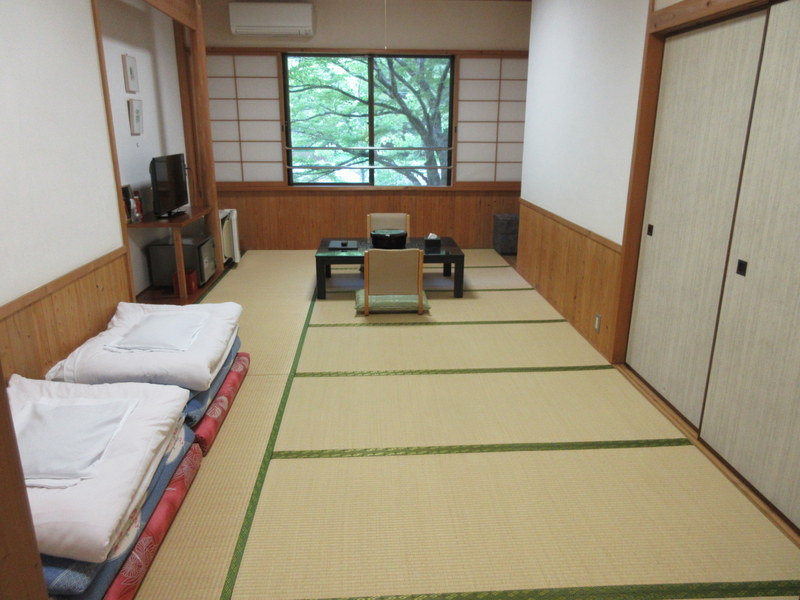
Worst night’s accommodation: Flight UA34 SFO to Osaka OR Flight UA35 – Osaka to SFO! We are now officially travel wimps – 10-12 hours, in economy, even economy plus, is just too painful. Nothing in Japan was “bad” – in fact most were very reasonable. We slept well on many a tatami mat. They are firm, plus they give you the added bonus of using all those different muscles as you get up and down off the floor multiple times per night!
Dossing or not in Japan…
Editor’s note: Cambridge Dictionary: doss verb [ I usually + adv/prep ] UK slang. To sleep outside or in an empty building or park because you have no home and no money
While not entirely clear, it may not be technically legal to pitch your tent anywhere you want in Japan (to doss). Having said that, we know of a number of folks that dossed whenever, wherever they needed to – city parks, temples, shrines, michi-no-ekis, etc. Word is, while potentially illegal, you rarely get asked to move, much less bothered at all, because the Japanese are too polite to raise a stink. For us, we decided not to doss. We can afford to pay for a room somewhere and dossing felt a little too disrespectful to our hosts. We won’t judge the dossers. We’ll only ask that they consider who might travel after them and make their own choices.
While camping seems to be becoming more popular in Japan (wow, you should see some of those camping set-ups), campgrounds are still not plentiful. Those campgrounds we did find were all decent, so hopefully camping will become more popular and the number of campgrounds will increase, providing more options to bike tourists like us.
ROADS CONDITIONS AND TRAFFIC
Road surfaces, paved/gravel: Japan has paved just about everything, even the smallest, most remote goat track. You can find gravel and/or dirt but it is rare and you have to search. You’ll more likely to find really small sealed roads that dead-end at a field/fence/train track. Only one or two sealed roads petered out into dirt or gravel. If you love dirt, Japan may not be your destination – though to be fair, we didn’t search out unsealed roads.
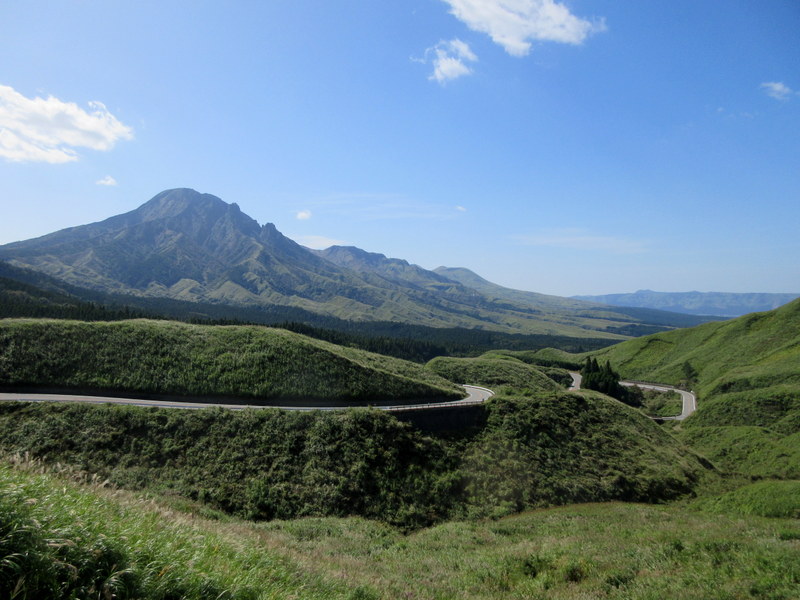
Best road we’ve never heard of but should have: The climb up to Aso town on Highway 265 over the top of Mt Aso. Stunning day with blue skies, great views of the mountain and lots of hairpin turns. The climb was hard but super scenic. We’d heard about Mt Aso but had no idea what we’d get. Expectations exceeded!
Traffic and drivers: Japanese drivers are generally very polite. My only criticism would be the “robot” drivers. Some folks, no matter the country, get behind a wheel and go into a trance mode – can’t brake or slow for anything. Sadly, some of these exist in Japan as well. Don’t let down your guard. As for the roads, most of the busy roads had reasonable shoulders or shared footpaths – though not all of them. It is very hard to know in advance unless you find a local rider to ask. Use Google Street view the night before if you are worried. We had 2 or 3 bad roads, but survived.
On the plus side, almost all vehicles in Japan are small. If a robot-overtaking-driver refuses to cross the center-line on an empty rural road, you’ll probably still be safe. Their small cars don’t very often fill the lane and they can squeeze by without danger.
Drivers backing up: See photo below of warehouse in Osaka – 100% backed in parking. I’m not sure what it is but Japanese almost always back into a carpark space. Even at the convenience stores they back in. They aren’t all great at it, so it’s sometimes entertaining to watch. You probably won’t find “watch Japanese parking their cars” on the top-10 lists of things to do visiting Japan, but there you go. It was entertaining to us. If you take a bike trip to Japan put it on your list and enjoy the show.

COMMUNICATION
Language: Nancy is modest. She will say her Japanese is poor. It’s actually pretty good; way better than what’s needed to be a tourist in Japan. Perhaps it is not good enough to have deep conversations about complicated topics, but it’s still pretty good (Senior Editor’s note – no, my language skills are really not that good, but thanks to my great Japanese school (Nihongo Picnic) and Japanese teacher (Chiharu sensei) I was at least able to make myself understood most of the time!). My Japanese is near nothing. Having said that, by the end of the trip I was being bold enough to try doing stuff on my own – you can get by. The one noted exception is phone calls – it’s much harder to fake your way through on the phone.
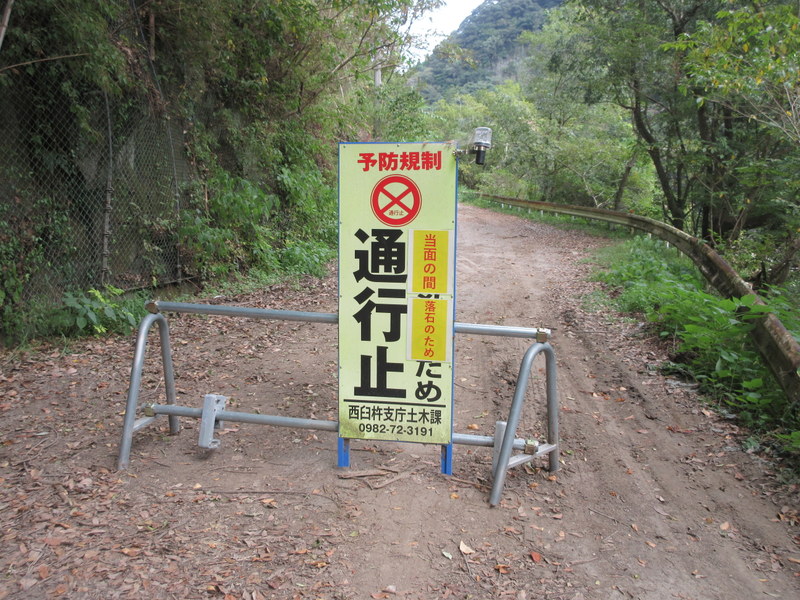
Google translate: When needing to read something Japanese and you are stuck, you can always point google translate on your smart phone at the menu/sign/billboard. This worked great in restaurants even when photos or models of the food were provided. It worked a few times when we came to road closed signs as well – some were “bridge out” really closed, some were bikes and pedestrian allowed. We would never have figured it out without the phone. The only real issue with this technique is that travelling at 25 kph and getting the smart phone out to read a warning sign was not possible. You have to stop to be sure of where you are going or the risks ahead.

RANDOM GEAR THOUGHTS
Gas: You can purchase MSR-like gas canisters in many stores. You’ll never really have to worry as long as you plan ahead a little. As for white gas, saw it once and probably wouldn’t recommend a hand pump white gas stove, unless it also burned petrol.
Phone: Our Verizon USA phone and AU phone (both Samsung) worked with a Sakura (DoCoMo) SIM. Neither phone was on the list of phones that would work in Japan, both worked fine even in remote areas. We booked a Sakura WiFi modem as back-up but didn’t even take it from the airport. We just got a data SIM and used Skype to call places when we needed to.
What bike to bring? We had gravel bikes with 38mm Schwalbe tires. We could have probably gone skinnier on the tires. Our bullet proof touring bikes would have been extra weight for little benefit. Same for a mountain bike. If you bring a mountain bike, go with narrow tires and a fixed front fork.
Tires: Noted above 700×38 – Brand new Marathon Plus – ZERO flats on either bike – enough said.
Best new gear: Wahoo Element Bolt V2 GPS. Street signs are very rare in Japan. And Japan is hilly so few roads are laid out on a grid. It’s easy to get lost. A GPS kept us on track most of the time. Locals are also keen to help if you look lost, so looking lost is not always a bad thing.
Worst new gear: A few times our GPS took us down dead-end or really narrow roads when the main road was perfectly rideable. It really wasn’t the GPS as it was simply following Komoot, our mapping tool. And to be fair, once we learned to verify the suggested route the night before and figured out how to spot the less ideal roads or unnecessary diversions, Komoot and Wahoo were great. We might ride across the USA without a GPS or even South America (where there are fewer choices). I don’t think we’d ride Japan without some sort of GPS (Note: Google maps on a smart phone could work also, though there isn’t a cycling option available for Google maps in Japan).
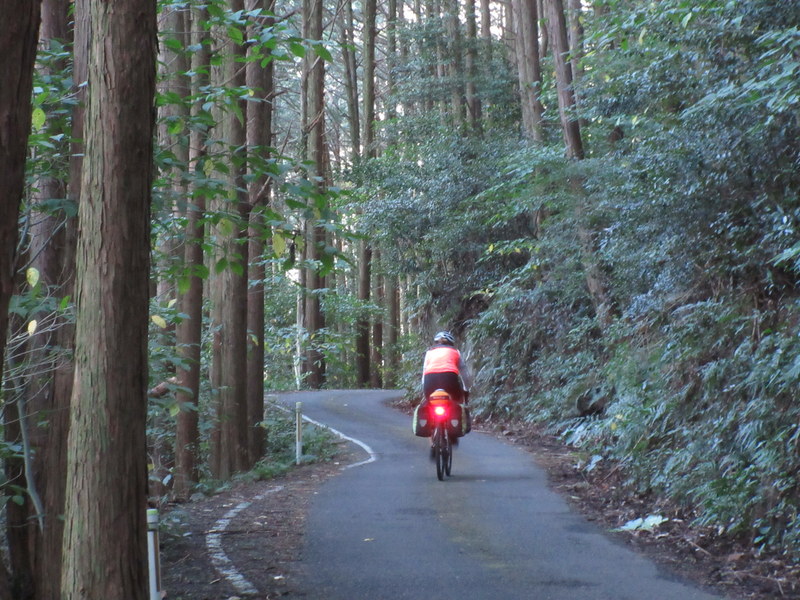
Best new gear runner up: Son28 hubs and dyno lights. We rode the hubs in the Americas for device charging but the lights were new. The lights were added because we knew we’d have a few tunnels in Japan. Boy did we have tunnels – some days as many as 20 and some long ones – 5k being the longest. Having lights that were on 100% of the time without thinking it about gave us high tunnel confidence. Note: 95% of the tunnels were well lit. The 5% that weren’t, we were doubly happy that we had the head lights and not just a rear flasher. Plus, we never had to worry about charging lights.

FOOD IN JAPAN
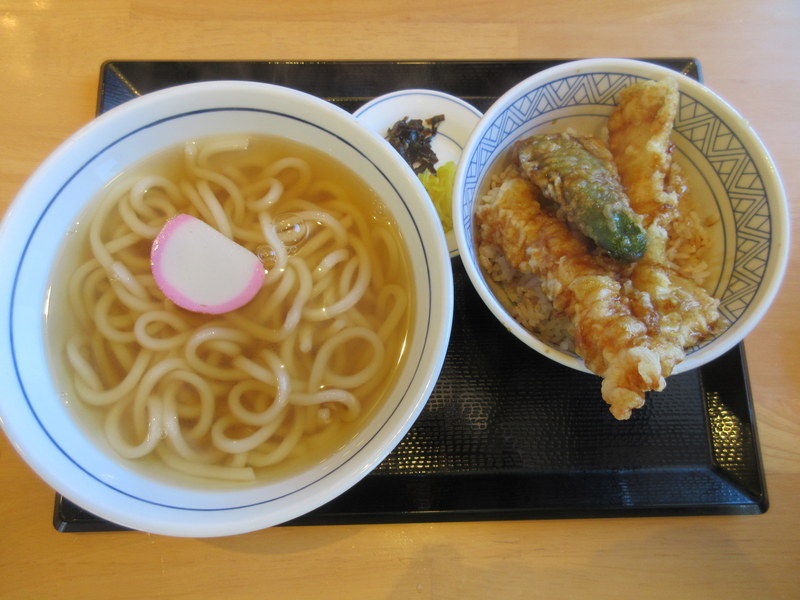
Food: Nearly all of our favorite Japanese dishes were on show daily. We simply can’t remember having a bad sushi, ramen, udon, tempura, yaki soba or anything else. Nearly everything we ate in Japan was delicious, even the convenience store versions were good. We had a few fancy meals and they were good but rarely were they worth the premium they charged over the hole-in-the-wall restaurants we found out riding. In fact, hole-in-the-wall lunches were consistently one of our daily highlights.
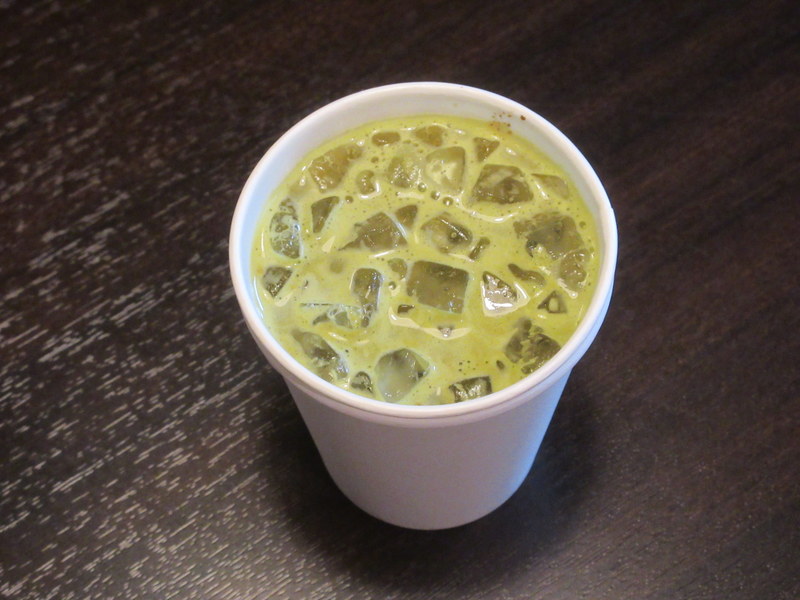
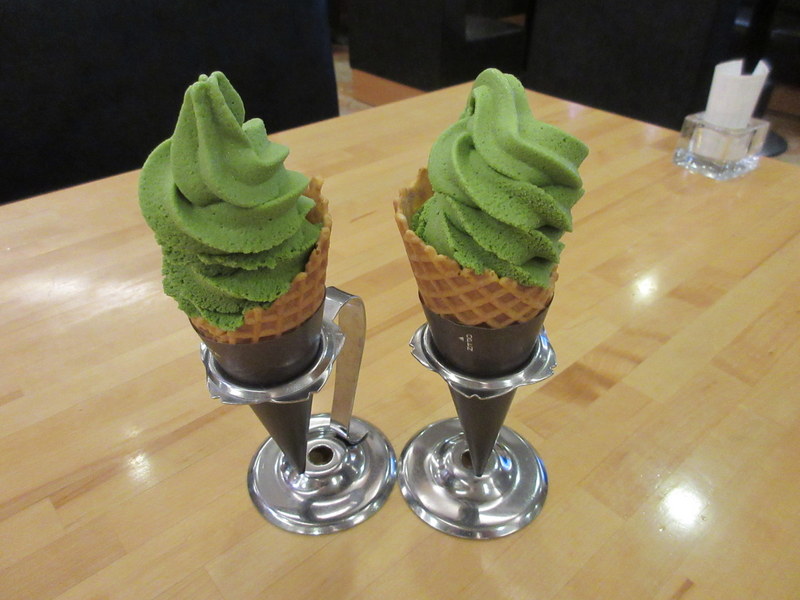
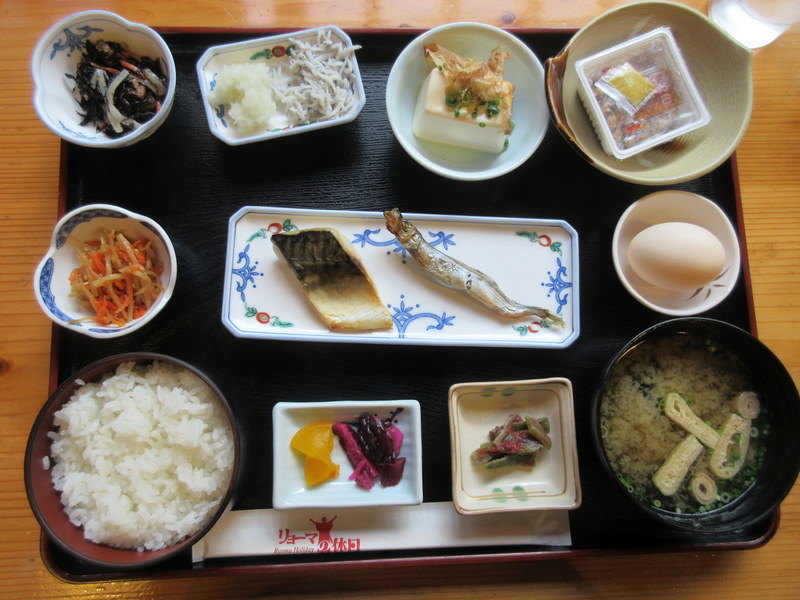
Best new food for us: Grilled eel. I’ve tried this before this trip but developed a taste more on this journey. Nancy kind avoided it at first but tried mine a few times and by the end was ordering her own. We’ll be on the lookout for it now back in our normal lives. It might not be as good as we had in Japan but it gives us something to keep an eye out for.

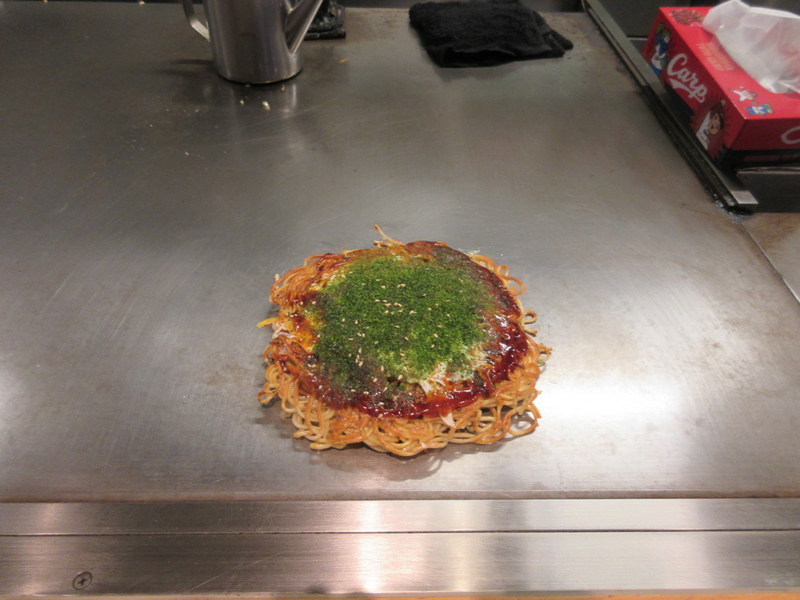
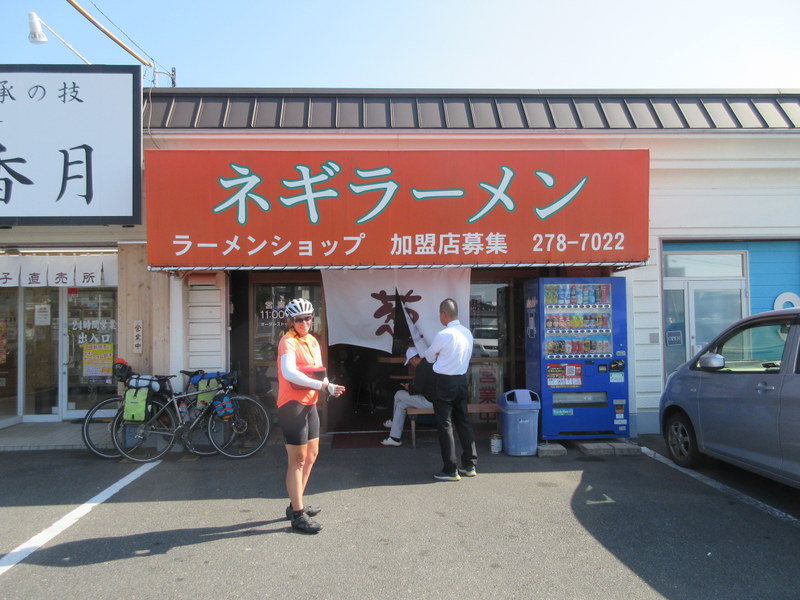
Best “hole-in-the-wall” lunch: November 2nd, ramen day somewhere near Shimo, Naka Ward. We were sort of lost, sort of stressed, a little hot and really hungry. We stumbled on this place and almost didn’t stop. It was a little rough looking and had a queue. We decided to take a punt, the line moved quickly and we had one of the best ramen meals of the trip. Plus we got to sit at the cook’s counter and had a show to boot. This is why we travel – adventure yum.

Beer: We like an IPA, don’t care much for a lager. In general, Japan’s beer market is covered by three large labels, Sapporo, Kiren and Asahi. They mostly brew lagers. We found the odd locally brewed IPA but it was rare. A lot more research is required if one of your top 10 to-do items in Japan is to find interesting beer (interesting by our definition that is). Perhaps we’d have a better chance of finding a good beer in the northern half of the country.
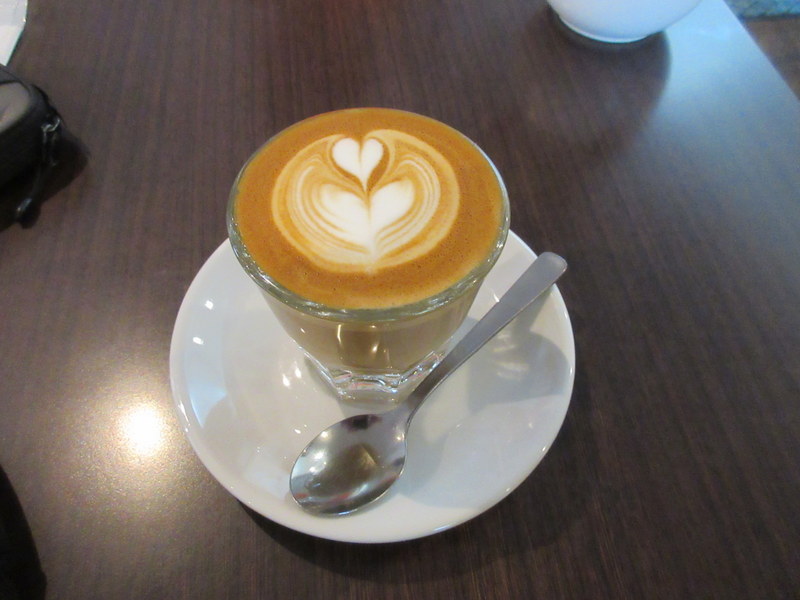
Coffee: We like a cortado – double shot of espresso and steamed milk, no foam. We found one barista in Japan that knew what a cortado was. We didn’t actually find many folks making espresso. When we did, we always tried to get the barista to make a cortado. This didn’t always work but it was almost always fun.
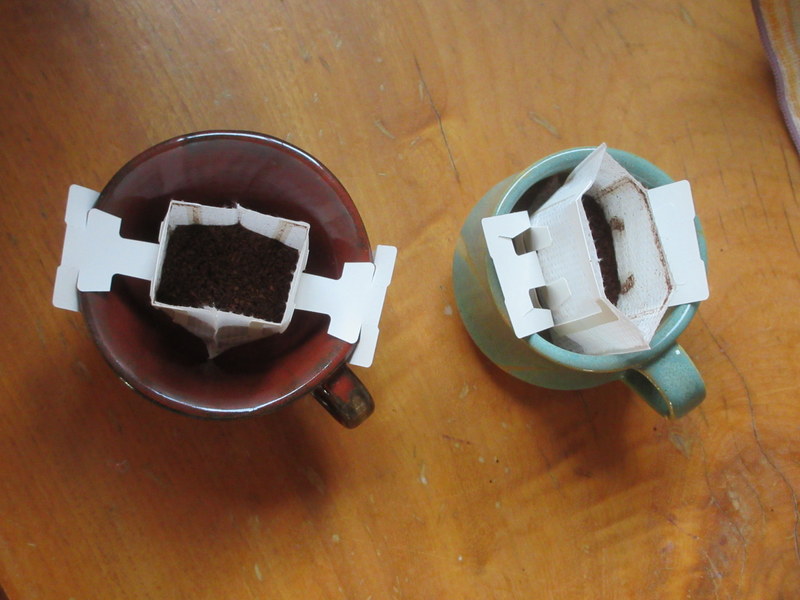
There are boutique coffee shops in Japan but as they did in the eighties they are still mostly using pour over brewing. We thought we’d made the coffee find of the century with the newfangled origami pour over single serves. Then we got online and discovered they are everywhere. We need to get out more often.
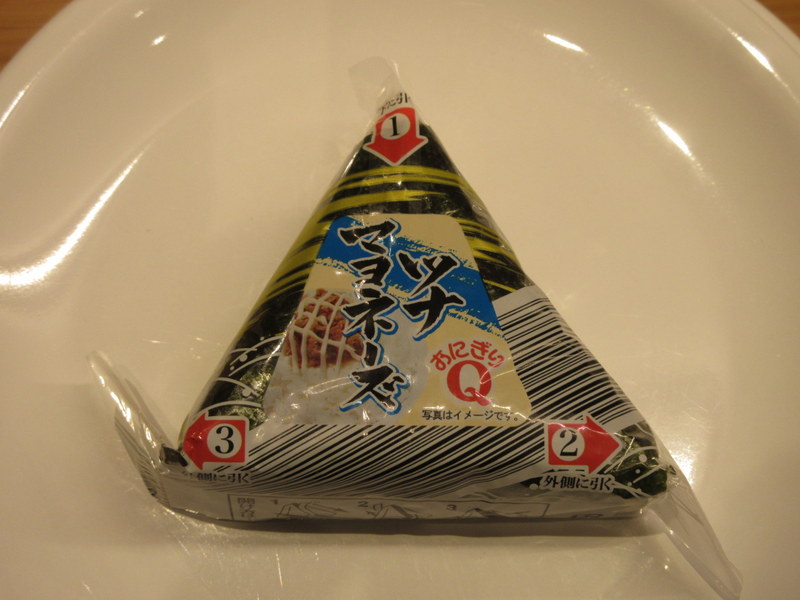
Convenience stores: They say that you are never more than 30k from a convenience store in Japan – in our experience, this is true. This gives you easy access food supplies and clean bathrooms. The food in a “conbini” is pretty good, and you can eat pretty nutritiously if you make the right selections (perhaps our addiction to pork buns was not the best!). The down side of this “30k fact” for us was that we never got really away from everything. We had some remote goat tracks but they were often short lived with a highway just over the next hill. If you want wilderness in Japan, maybe think of heading to Hokkaido (the more remote northern island).
THINGS THAT MAKE YOU THINK
Rules and arbitrary enforcement: Japanese is a very compliant society. They have lots of rules but more than anything nearly everyone does what’s expected. If someone does the wrong thing, they stand out and no one wants to be conspicuous in Japan. With our general appearance, we obviously stand out in Japan. Throw in our bright fluro cycling clothing and there is no missing us.
This was never a problem except when perhaps parking our bikes. We didn’t like parking them on the street. This was sometimes puzzling to Japanese innkeepers, as that’s a normal activity for them. In fact, they often have special places to park bikes, almost always out on a public street. Low crime and virtually no theft makes this completely safe.
But here’s the rules thing. With a bike, Japanese often ignore the parking rules and park them wherever they want to. See below for an unstaged bicycle parking photo with no fewer than five no parking signs. So much for following the rules, eh? Had we try parking our bikes where this chap did, I’m quite certain we would have been politely guided to where bike parking was allowed. Sometimes in Japan, you just have to laugh and comply 🙂

Healthcare in Japan: No idea, but I raise it here because we had one minor medical issue on the trip. One morning at an inn where they asked us to carry our bikes through the lobby, Nancy was carrying hers (no shoes, of course), stepped funny and felt a painful pop in her foot. She’s tough and didn’t want to get it checked out. Over the next couple weeks she rode 600 miles with strapping, nightly icing and ibuprofen on what turned out to be a broken 5th metatarsal in her right foot (we got it checked out back at home). You gotta be haaad!
We had a fun 10 minutes trying to get a pharmacist in Japan to tell us how many mg were in a single ibuprofen tablet. It was entertaining but we never actually got an answer. If we’d looked for help with Nancy’s foot, I’m sure that the language barrier would have made it very entertaining. There is only so much entertainment one can take, and we figured there was nothing that could be done anyway so we just kept riding!
OVERALL SUMMARY
We had a great trip – wonderful food, lovely hosts, smooth roads and mostly fine weather. Japan is such a quirky place, even at the end of 7 weeks, we were laughing at new oddities daily. Much of our previous travel in Japan was business travel. As usual, traveling by bicycle completely changed our perspective. Nancy is planning to continue with her Japanese language study so it’s likely we’ll make a return trip to parts yet explored. Arigato Japan (ありがとう日本), thanks for having us.



 Leave Without Pay
Thanks for taking the rest of us along on your great journey, and for taking the trouble to journal along the way and summarize at the end. Fascinating!
Thanks for following along Chris.
Another great trip! And great photos. And food.. I particularly like those little oddities you have such a keen eye for. I think the spread of accommodation gives good variety. The train, onsen and shipping containers must have been awesome. No capsule though? That’s something I’d like to try out..
We couldn’t afford a capsule because we’d have to rent two each. One for each of us and one for each of our bikes – total of four!
Top marks for an enjoyable and very useful summary for those of us following in your tyre tracks. We loved following along each day and your photos are a fantastic encouragement to get our bike ride on the calendar.
Thanks a lot. Now, where’s that Japanese language CD?
Nancy is keeping on with her Japanese study and open to hire as a tour guide 🙂
This was a great read. We loved vicariously through your adventure.
Hi Rose and Gary – nice to hear from you guy and thanks for following.
Thanks guys, we are looking forward to following your route recommendations as soon as we take another gap year … or simply retire early, which is also a great choice 😉
Tine and Philipp
It was a great trip, we really enjoyed Japan. The only thing missing, was you guys riding along with us!